The Importance of Routine HVAC Maintenance
The Importance of Routine HVAC Maintenance: Save Money, Stay Comfortable, and Avoid Costly Repairs
Your heating and cooling system is one of the hardest-working pieces of equipment in your home. Whether it’s keeping you cool during the summer or warm through a New England winter, your HVAC system runs for thousands of hours every year. Like any mechanical equipment, it requires regular maintenance to perform at its best.
Routine HVAC maintenance is one of the most cost-effective investments a homeowner can make. It helps prevent unexpected breakdowns, lowers energy bills, extends equipment life, and ensures your family stays comfortable all year long.
Why Routine HVAC Maintenance Matters
Many homeowners wait until their heating or air conditioning system stops working before calling for service. Unfortunately, by that point, a small issue may have become an expensive repair.
Scheduling professional HVAC maintenance once or twice a year allows technicians to identify potential problems before they turn into major failures.
Benefits of regular HVAC maintenance include:
- Lower monthly energy bills
- Fewer emergency repairs
- Longer equipment lifespan
- Improved indoor air quality
- More consistent heating and cooling
- Better system reliability during extreme weather
- Manufacturer warranty compliance for many systems
Lower Your Energy Bills
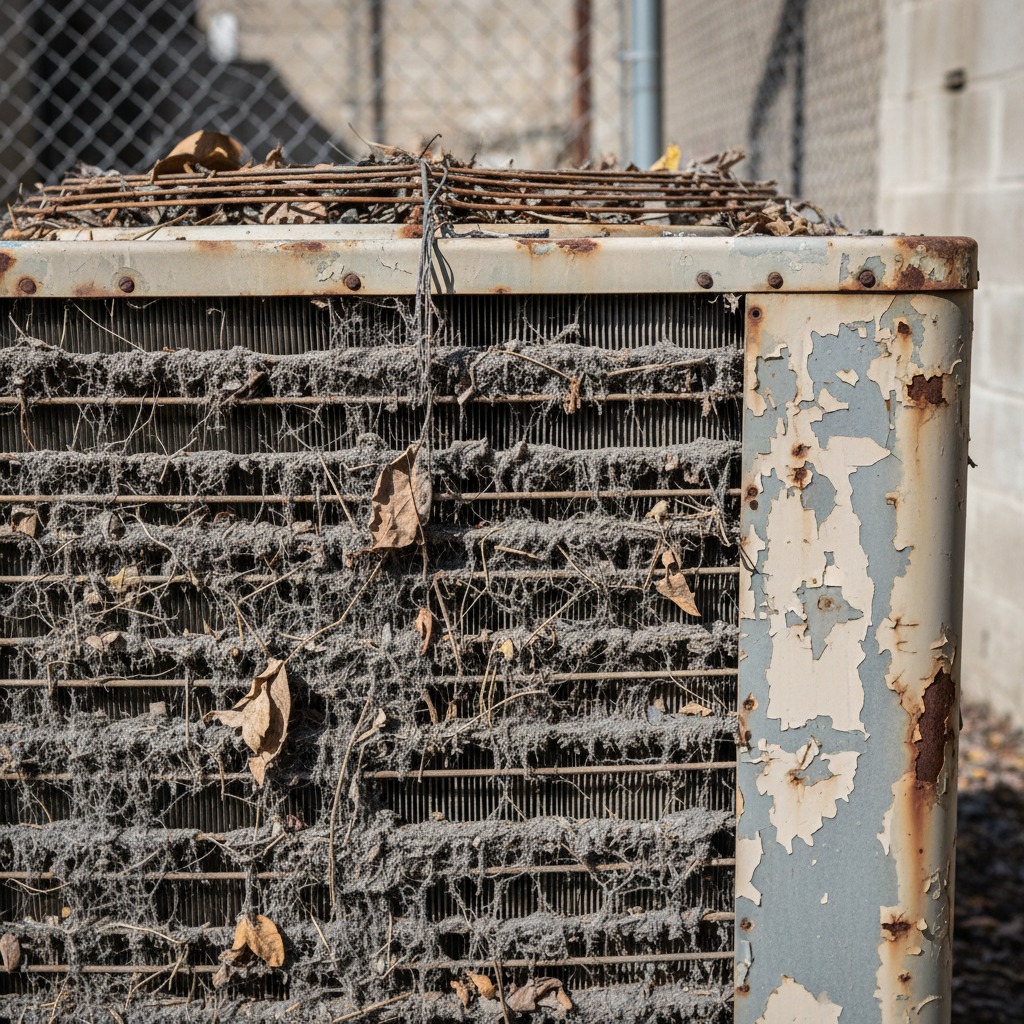
A dirty or poorly maintained HVAC system has to work much harder to heat or cool your home. Dirty filters, clogged condenser coils, restricted airflow, and worn components all reduce efficiency.
During a professional HVAC tune-up, technicians clean critical components, inspect electrical connections, verify refrigerant levels, and ensure everything operates efficiently.
A properly maintained system uses less energy, helping reduce monthly utility costs while keeping your home comfortable.
Prevent Expensive HVAC Repairs
Routine maintenance allows technicians to catch worn capacitors, failing motors, loose electrical connections, dirty burners, refrigerant leaks, and airflow problems before they cause a complete system failure.
Replacing a small electrical component during maintenance is far less expensive than replacing a compressor or heat exchanger after a breakdown.
Preventative maintenance helps you avoid inconvenient emergency service calls during the hottest or coldest days of the year.
Extend the Life of Your Heating and Cooling System
Installing a new HVAC system is a significant investment. Most furnaces, heat pumps, boilers, and central air conditioning systems are designed to last 15–20 years when properly maintained.
Without regular service, excessive wear can shorten that lifespan considerably.
Annual maintenance helps reduce stress on system components and allows your equipment to operate as designed, giving you more years from your investment.
Improve Indoor Air Quality
Your HVAC system circulates the air your family breathes every day.
Dirty filters, dust buildup, mold, pet dander, and other airborne contaminants can accumulate inside your system over time.
Routine maintenance includes checking and replacing filters when needed, cleaning components, and ensuring proper airflow throughout the home.
Cleaner equipment means cleaner indoor air and a healthier home environment.
What Is Included in an HVAC Maintenance Visit?
A professional HVAC maintenance appointment typically includes:
- Inspecting electrical components
- Testing capacitors and contactors
- Tightening electrical connections
- Cleaning condenser coils
- Cleaning burners and flame sensors
- Inspecting heat exchangers
- Checking refrigerant pressures
- Verifying temperature split
- Inspecting blower motors
- Lubricating moving parts (when applicable)
- Checking condensate drains
- Replacing or inspecting air filters
- Testing thermostat operation
- Verifying system safety controls
Every system is different, but these inspections help ensure reliable operation throughout the season.
How Often Should HVAC Maintenance Be Performed?
Most manufacturers recommend:
- Air conditioners: Every spring
- Heat pumps: Twice per year (spring and fall)
- Gas furnaces: Every fall
- Oil furnaces: Annual service before heating season
- Boilers: Annual inspection and maintenance
Scheduling maintenance before peak heating and cooling seasons helps ensure your equipment is ready when you need it most.
Signs Your HVAC System Needs Service
Even if your system is still running, don’t ignore these warning signs:
- Higher-than-normal utility bills
- Uneven temperatures throughout the home
- Strange noises
- Burning or musty odors
- Weak airflow
- Frequent cycling
- Space tempature is not being maintained.
- System running constantly
- Water leaks around equipment
Addressing these issues early can prevent more costly repairs later.
Why Choose Professional HVAC Maintenance?
Professional HVAC technicians have the tools and experience to safely inspect electrical components, combustion systems, refrigerant circuits, and airflow.
DIY maintenance is limited to simple tasks like changing your air filter and keeping outdoor units free of leaves and debris.
A licensed HVAC technician can identify issues that homeowners typically cannot see before they become major problems.
Schedule Your HVAC Maintenance Today
Routine HVAC maintenance is one of the easiest ways to protect your investment, improve energy efficiency, and keep your heating and cooling system operating reliably year after year.
Whether you have a furnace, boiler, heat pump, ductless mini-split, or central air conditioning system, preventative maintenance helps reduce unexpected breakdowns and keeps your home comfortable in every season.
If it’s been more than a year since your last HVAC tune-up, now is the perfect time to schedule professional service. Regular maintenance today can save hundreds—or even thousands—of dollars in future repairs while giving you peace of mind that your system is ready for whatever New England weather brings.
Leave a Reply